xiao mao diao yu 🌊🐈⬛🎣🐧☔️✨ reformed ipad kid
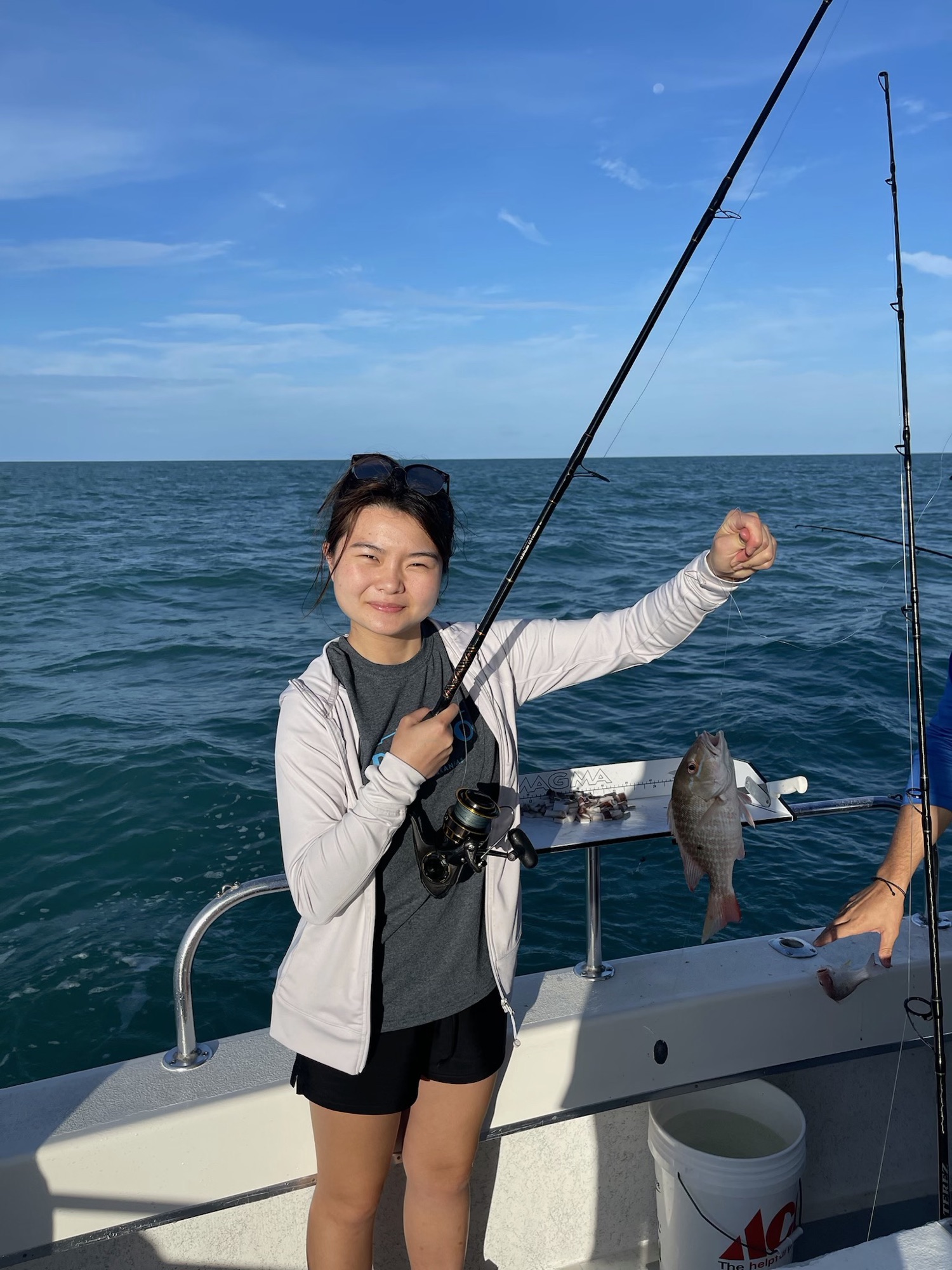
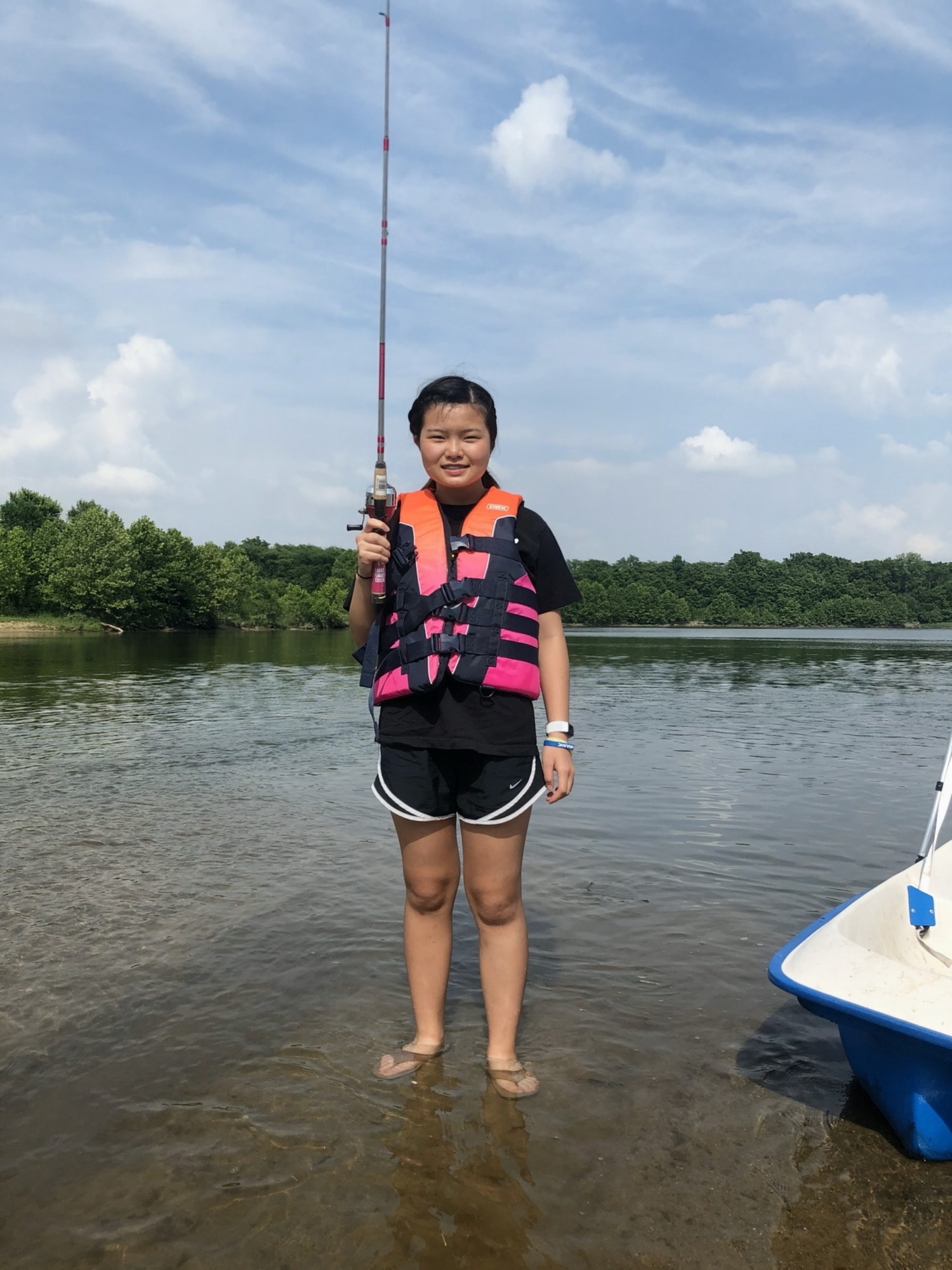
That line is my GitHub bio. I quote it once because it is the artefact. This page is the prose version. The catch photograph lives on About. The frames below are the rest of the same set.
The story
小猫钓鱼 is a children’s story a lot of Mandarin speakers already know. A little cat goes to the water with a rod. Dragonflies pass. Butterflies pass. Something brighter than waiting always appears. The cat leaves the line, chases the next bright thing, and comes back to nothing. The cat who stays still catches the fish.
Adults tell children this means: if you keep switching tasks, you catch nothing. Stay with the work in front of you. Even when nobody says the four-character lesson out loud, that is what the story is for. The plot is public. I am putting it next to photographs of me actually fishing. The idiom is about attention. The photographs are a rod, a boat, and a fish that either comes up or does not.
Why that line is the bio
A profile bio is a bad place for a lecture and a decent place for a handle. Recruiters already get Informatics, Luddy, and May 2027 elsewhere. I wanted four words that did two jobs at once: the Chinese story about not leaving the rod, and the fact that I fish. xiao mao diao yu is the romanisation, written the way a GitHub line can hold it. The emoji stay on GitHub. I would rather be read as the little cat than as a slogan. If you already know the story, you know the joke. If you do not, this note exists.
The 猫 is me. It is a self-name, the way some people answer to a nickname. It is not a mascot and not a classroom character.
Jade Zhao · 赵郎溪
In Chinese the family name comes first. 赵 is Zhao. 郎溪 is Langxi, the given name I use in public. Written together: 赵郎溪. In English the order flips: Jade Zhao. Same person. Two conventions, not two identities. The handle on this door is zhao-langxi because this room is the Chinese public name, romanised and hyphenated so it can live in a URL. The builds sit on jadexzhao. I do not merge the two sites.
I put she/her next to the name because mixed English and Chinese, plus romanisation, get read wrong more often than people say in a hallway. A short line is cheaper than a correction later. That is all I mean by it.
Screens, and sitting still
“Reformed iPad kid” is the honest version of growing up with screens. Not a TED story. Not a morality play about one device. I learned early that a screen can hurt you and that it can also be a place you build something back. The origin essay already covers the internet that turned on me.
Sitting still with a rod is the opposite of app-switching. The fish does not care about the next tab. I still build on screens for a living. I would rather maintain systems for people who get left outside of tech, including kids who meet a form or a classroom tool that assumes they already belong, than pretend the stack is neutral because it is digital. Screens are not the enemy. Unexamined defaults are. The little cat in the story fails by leaving the rod. Fishing, for me, is practice at not leaving.
AI as a system
In my framing, AI is not magic and it is not a person. It is a system with handoffs, training data, interface copy, and a long list of assumptions about who the user already is. Capability growth does not automatically mean inclusion. If the form already leaves a newcomer stuck, wrapping a model around it does not fix the sequencing. It just makes the failure harder to see.
That is why this door talks about systems friction, and why the AI and law pointer stays a pointer: public-service ethics notes, not a treatise, not legal advice. I care about who can complete the task after the demo, who can maintain the page after the student team leaves, and who gets blamed when the error message says “invalid.”
Drafting on these notes was AI-assisted. Accountability remains with Jade Zhao. If a sentence is wrong, it is my wrong sentence.